Behind the public turbulence of Elon Musk’s dramatic fallout with Donald Trump earlier this summer, a far quieter effort was unfolding inside the White House. According to a detailed report by The Washington Post, Vice President JD Vance and his team worked discreetly for months to prevent Musk’s split from becoming a full-blown rupture—one that could have fractured the MAGA coalition and reshaped the American right.
At the height of his feud with Trump, Musk had openly floated the idea of launching a new political movement, tentatively dubbed the “America Party.” The prospect sent tremors through Republican circles, raising fears that the tech billionaire’s influence, money, and online reach could siphon energy away from Trump-aligned candidates. Ultimately, Musk abandoned those plans—but not without behind-the-scenes intervention from Vance.
Vance, a former venture capitalist, had cultivated a close relationship with Musk well before ascending to the vice presidency. That bond only deepened after Trump returned to the White House. In February, just weeks into the administration, Vance invited Musk to a private family dinner at the Naval Observatory, signaling his intention to serve as a personal bridge between the unconventional tech mogul and the MAGA establishment.
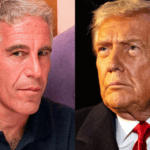
Over the following months, Vance and Musk reportedly spoke frequently—sometimes several times a week—maintaining a direct channel as Musk’s influence inside the administration grew, particularly through his controversial DOGE cost-cutting initiative. But that relationship became increasingly important as tensions mounted. By late May, Musk was openly criticizing Trump’s spending proposals on social media, and the conflict escalated further when Musk accused the president of delaying the release of Jeffrey Epstein-related files because Trump himself was allegedly implicated.
The situation worsened when Trump rescinded the nomination of Jared Isaacman, a Musk ally, for NASA administrator—a move Musk reportedly saw as a personal and professional slight. Recognizing the significance of the nomination, Vance quietly lobbied MAGA lawmakers to revive Isaacman’s confirmation, framing it as a concrete step toward repairing relations with Musk.
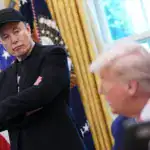
Those efforts appeared to pay off. By the end of the summer, Musk had quietly shelved his plans to form a rival political party, easing fears of a split within the MAGA base. The détente seemed to solidify further after Musk attended a White House dinner in November with Saudi Crown Prince Mohammad bin Salman, and following an apparent thaw in relations after the September assassination of far-right activist Charlie Kirk.
According to the Post, Musk has since revived plans to back Republican candidates ahead of next year’s pivotal midterm elections, signaling a renewed—if fragile—alignment with the GOP.
Vance’s motivations, however, may extend beyond party unity. Widely viewed as a potential presidential contender in 2028, the vice president is acutely aware of the political and financial clout Musk can wield. Sources suggest Musk himself has privately indicated that he sees Vance as a serious future contender for the Oval Office.
While the White House, Musk, and Vance have not publicly commented on the report, one thing is clear: the truce between Trump and Musk remains delicate. And at its center stands JD Vance, quietly positioning himself as both mediator-in-chief—and perhaps, beneficiary—of one of the most consequential political alliances in modern conservative politics.
Install our app using add to home screen in browser. In phone/ipad browser, click on share icon in browser and select add to home screen in ios devices or add to dock in macos