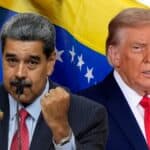
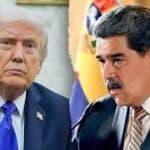
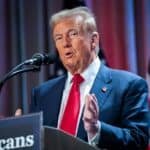
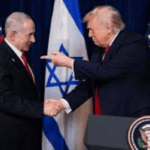
Donald Trump announced early Saturday that the United States had captured Venezuelan leader Nicolás Maduro and removed him from Venezuela following what he described as a “large-scale attack” on the country. According to Trump, Maduro was flown out of Venezuela along with his wife, Cilia Flores, in an operation coordinated with U.S. law enforcement and military personnel.
In a post on his Truth Social platform, Trump declared that the operation marked a turning point for Venezuela. “The United States has successfully carried out a large-scale attack against Venezuela and its leader, President Nicolás Maduro, was captured and flown out of the country along with his wife,” he wrote. He added that more details would be released soon and announced a press conference scheduled for later in the day at Mar-a-Lago.
Speaking briefly to The New York Times from Florida, Trump praised the mission as “a brilliant operation,” emphasizing that it involved extensive planning and the efforts of “very good people and military personnel.” A senior U.S. official echoed that sentiment, proclaiming a “new dawn” for Venezuela following Maduro’s capture.
Explosions and Airstrikes in Caracas
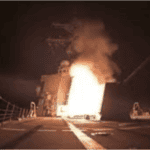
Trump’s announcement came hours after powerful explosions rocked Caracas around 2:00 a.m. local time. Residents reported loud detonations, aircraft flyovers, and widespread power outages across the capital. Social media videos showed columns of dense smoke rising from multiple areas of the city, while images circulated of Chinook helicopters flying overhead.
Witnesses said airstrikes appeared to target strategic locations, including the La Carlota and Fuerte Tiuna military bases. Hundreds of vehicles were seen attempting to flee affected areas, and videos posted online showed security forces detaining civilians in the streets amid the chaos.
A 67-year-old pensioner living near Fort Tiuna told AFP that the explosions caused windows to rattle, forcing her to take shelter in a windowless room. Another resident from the El Valle neighborhood described hearing sounds “like machine-gun fire,” suggesting defensive fire aimed at aircraft.
Escalation and International Reaction
The attacks followed recent warnings by Trump that Maduro’s “days in power are numbered.” Earlier in the week, Trump said U.S. forces had destroyed a docking area allegedly used by drug-trafficking-linked vessels, marking what he called the first U.S. ground strike on Venezuelan territory.
Venezuela’s government swiftly condemned the operation, denouncing it as a “very serious military aggression” and declaring a nationwide state of emergency. In a statement broadcast on state television, authorities accused Washington of violating the United Nations Charter and endangering regional peace and stability. The regime also called on Venezuelans to mobilize in rejection of the bombings and announced a “state of External Commotion” across the country.
Regional tensions intensified as Gustavo Petro ordered the mobilization of Colombian military forces along the border with Venezuela. Petro criticized the U.S. action as an “aggression against sovereignty” and warned of a potential humanitarian crisis, while still urging dialogue as a path to resolving the conflict.
As events continue to unfold, the international community is bracing for the consequences of what could become one of the most significant escalations in U.S.–Venezuela relations in decades.
Install our app using add to home screen in browser. In phone/ipad browser, click on share icon in browser and select add to home screen in ios devices or add to dock in macos